Edge Comparison: “Zipped” vs Saw-Cut
The Science of Stronger Asphalt Repair Joints
Executive Summary
One reason asphalt utility trench patches and asphalt repair patches fail is due to poor asphalt joint bonding with a smooth saw-cut edge. Using an Asphalt Zipper® asphalt grinding or reclaiming attachment for asphalt removal creates a unique scarified, aggregate interlocking edge. When compared to saw cutting, the edge that Asphalt Zipper machines produce are scientifically proven to increase asphalt joint bond strength by 25%, leading to longer lasting and more durable utility trench and asphalt patch repairs.
Why do asphalt patches and utility trenches fail?
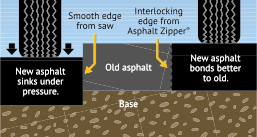
Asphalt patches and utility trench patches fail for a number of reasons. Poor quality road base or trench back fill might not have the right mix of aggregate material, and/or it may not be compacted properly. Improper drainage could also be a contributing factor. Asphalt patches and utility trenches can also fail when the joint of the existing asphalt and the new asphalt fails. This causes the new asphalt to sink under traffic pressure. It can also allow water to enter the pavement joint. As the water expands and contracts with temperature variations, it can further weaken the joint and the surrounding asphalt.
From their inception in 1994, Asphalt Zipper machines have produced a scarified, aggregate interlocking edge. This “Zipped” edge resulted in customers consistently reporting stronger utility trench patches. However, even with all of the positive feedback, some were still skeptical, particularly engineers or inspectors overseeing utility installations and repairs. Through it all, Asphalt Zipper engineers continued to innovate and refine the “Zipped” edge even further. Specifically, they continued to improve the combination of cutterhead speed, machine travel rates, and cutter head edge bit patterns. This created an even better scarified interlocking edge for stronger asphalt patch repairs. Yet the skeptics persisted.
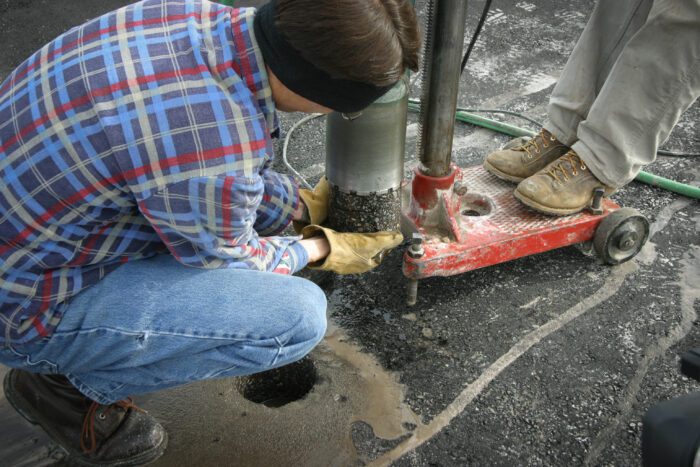
In 2005, Asphalt Zipper engaged researchers at Brigham Young University (BYU) to perform an in-depth independent study comparing an Asphalt Zipper scarified aggregate interlocking edge to a saw-cut edge. Headed by Dr. Spencer Guthrie, the research team of PhD students developed testing protocols and methods to ensure there were no biases for either edge. According to the resulting study, “Effect of Scarification on Asphalt Patch Joint Bond Strength,” it was proven that an Asphalt Zipper scarified edge is significantly stronger. To quote directly, “Statistical analyses showed that the introduction of a scarified face improved patch joint bond strength.” (Guthrie, Egget, and Woffinden). Follow up testing further revealed that after just one winter, the scarified joints showed a 25% higher patch joint bond strength.
In addition to utility trenches, asphalt patching is also an integral part of pothole and road repairs in general. Achieving the strongest joint bond possible is critical for well-maintained roads and streets.
What is a scarified, aggregate interlocking asphalt joint?
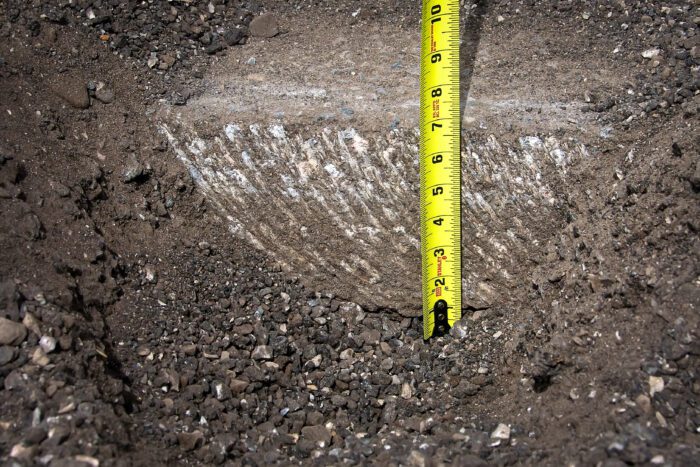
Much like a tongue and groove in woodworking, a scarified, interlocking edge has grooves and channels. These channels, along with the roughened surface, help the new asphalt patch to adhere better. The portable recycling machine imparts a rough scarification to the pavement edge. (Guthrie, Egget, and Woffinden). This rough edge created by an Asphalt Zipper allows the old and new asphalt to bond better, which helps prevent water penetration and asphalt sinkage from traffic.
How does a stronger asphalt joint save money?
A scarified asphalt joint that is 25% stronger will not sink as much as its saw-cut counterpart. This means fewer future repairs, not only over the trench or patch, but also along the adjoining asphalt. In addition to this, Asphalt Zipper machines simultaneously pulverize and recycle the existing road surface in place. This also saves significantly on asphalt removal and disposal costs.
FAQ Section
Q: Can you cut and pulverize asphalt at the same time?
A: Yes, you can cut and pulverize asphalt at the same time with an Asphalt Zipper reclaimer machine. This not only eliminates costly and time-consuming saw-cutting but also simultaneously recycles the asphalt surface into spec comparable base material.
Q: How much stronger is an Asphalt Zipper milled asphalt edge compared to a saw-cut edge?
A: An Asphalt Zipper “Zipped” edge is 25% stronger than a saw-cut edge.
Q: Why is asphalt joint interlock important in asphalt patching?
A: The joint bond between the old and new asphalt can help prevent trench and patch failure by avoiding moisture damage and trench sinking under traffic loads.
Q: What causes an asphalt patch to sink?
A: An asphalt patch sinks for several reasons. These could include poor compaction, insufficient road base or aggregate material, moisture penetration, or poor joint bond strength between the old and new asphalt. Asphalt Zipper machines create a scarified edge that helps prevent sinking.
Conclusion
The asphalt removal method you use is critical to preventing utility trench or asphalt patch failure. Unlike traditional sawcutting, asphalt reclamation with an Asphalt Zipper creates a unique interlocking edge between the new and existing asphalt. This creates a joint bond that is scientifically proven to be 25% stronger.
Works Cited
Guthrie, W. Spencer, Dennis L. Egget, and Keith H. Woffinden. “Effect of Scarification on Asphalt Patch Joint Strength.” Transportation Research Board Annual Meeting, 2005.