
The Real Cost of Repeat Potholes

Potholes cost road crews time, money, and public trust. Crews fill the same holes again and again, only to watch them reoccur after the next storm, freeze-thaw cycle, or busy traffic week.
This pattern affects asphalt, chip seal, and gravel roads alike. Every repeat repair pulls labor away from other work, increases equipment use, and stretches already tight asphalt maintenance budgets.
The core issue is simple: potholes return when the base under the surface is wet or unstable. If crews only fix the asphalt surface, the problems below keep reflecting upward.
A surface patch may hide damage for a while, but it does not always solve the underlying problem. Whether the crew applies a quick road patch or spends days fixing potholes, the repairs often fail.
This happens when the road’s supporting structure has already broken down. In many cases, what looks like a surface defect is actually a road base deficiency or failure.
How Potholes Form
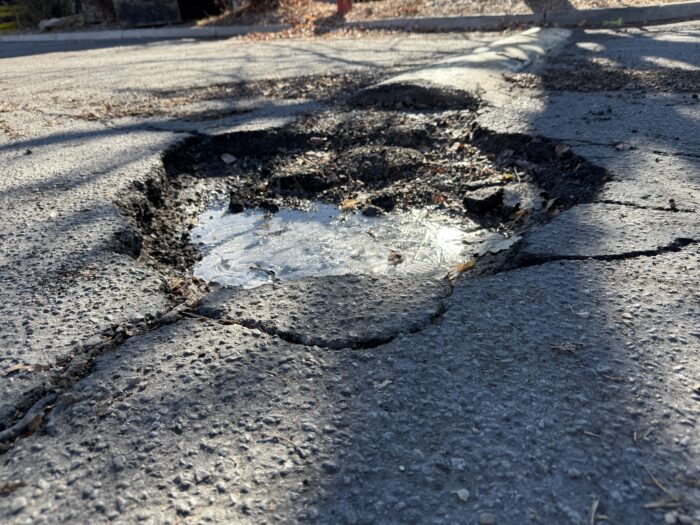
Potholes form when water enters cracks, weakens the pavement structure, and reduces stability below the surface. Cold weather makes the problem worse because water expands when it freezes and leaves gaps when it melts. Heavy traffic then pushes the surface downward until the pavement breaks apart.
Poor support below the road also speeds up failure. A lack of quality road base material, soft subgrade, and poor drainage allow moisture damage to spread.
On asphalt and chip seal roads, traffic pounds loose material until a depression forms. On unpaved roads, a weak gravel road base shifts under wheel loads and turns into a recurring maintenance problem. That is why a pot hole is usually a symptom, not the root cause of asphalt maintenance and gravel road maintenance problems. That is also why patching potholes in asphalt, and gravel road pothole repair, is rarely a long-term solution.
How Full-Depth Reclamation Stops Repeat Road Failures
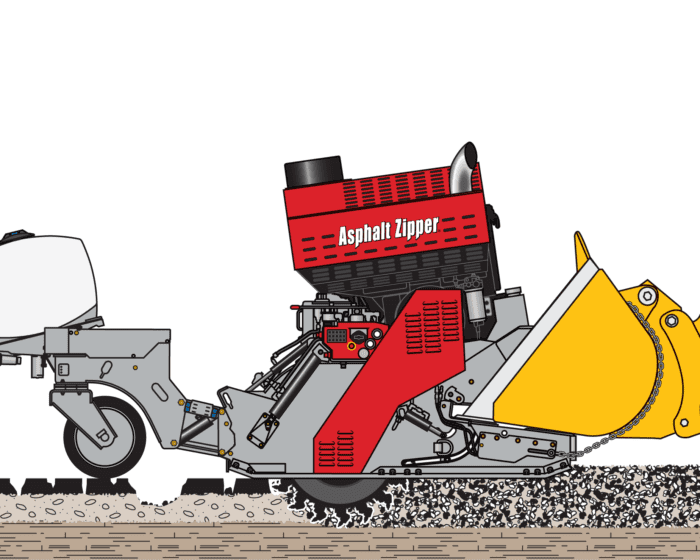
The best long-term repairs address the full structure, not just the damaged road surface. Road reclamation rebuilds the failed section by blending reclaimed asphalt pavement with the weakened base below. This method uses the existing pavement to create a stronger, compactable layer that better supports a new wearing surface.
A road reclaimer or asphalt recycling machine can reclaim deteriorated material in place and convert it into usable base. Instead of removing the failed section and bringing in all new aggregate, crews can reuse existing material, including reclaimed asphalt, gravel, or chip seal. That approach lowers material waste and helps produce recycled road base on site.
The full depth reclamation process works because it helps correct the core problem: insufficient or failing road base. The first pass of the reclaimer machine pulverizes the failed pavement into spec-comparable base material and simultaneously mixes it with the existing road base.
The crew can then shape, grade, moisture-condition, and compact the blended material into a stable road base. After compaction, the repaired section is ready for a new surface. Where the full depth reclamation process increases road base stability, potholes are far less likely to return.
A portable road reclaimer or asphalt reclaimer also gives crews flexibility across asphalt, chip seal, and gravel roads. In many situations, a reclamation attachment can do the work of much larger, self-contained machines. A portable attachment is also much easier to transport to the job site.
Mill and Fill vs. Full-Depth Reclamation
Mill and fill can cost less upfront, and it may be a practical option when the damage is limited to the top layer. An asphalt milling machine removes distressed asphalt surfaces prior to asphalt paving. This method improves ride quality and appearance quickly.
However, mill and fill does not solve base failures. If water and traffic have already damaged the structure below, a fresh surface may not last. The cracks and potholes often come back because the underlying base layer still lacks stability.
By contrast, full-depth reclamation helps repair the structure under the surface. A portable asphalt road reclaimer also allows crews to rebuild failed sections from the bottom up.
For roads with repeated failures, full-depth reclamation generally delivers significantly better long-term value. This is also much better than enduring another cycle of temporary pothole patching and repeated pothole repairs. Using reclaimed materials is also much more environmentally friendly.
Why Many Communities Still Do Temporary Road Repairs
Most municipalities know a high-quality asphalt repair lasts longer. The challenge is cost and access. Many small communities cannot afford to hire a contractor every time a road section fails. That leads crews toward short-term surface repairs, including quick patching.
In-house reclamation is substantially more cost effective. With a 2-3 person crew, municipalities can use reclamation attachments for compact track loaders, backhoes, and loaders to perform the work themselves. These portable options save money and are easier to move around and far less expensive than self-contained units. A municipal road crew can now use a road reclaimer and recycled materials without waiting on busy contractors.
Conclusion
Potholes keep coming back because the real problem usually starts below the surface. Weather, moisture, traffic, and base problems break down the pavement structure until the top layer fails. If crews only repair the visible hole, the same location often fails again and again.
Lasting results can come from rebuilding the road base through the full depth reclamation process. An in-house road reclaimer offers a practical way to create durable repairs for asphalt, chip seal, and gravel roads.
Google Takeaways
- Potholes return when base problems remain untreated.
- Water, freeze-thaw cycles, poor drainage, and heavy traffic all drive pavement failure.
- Surface fixes alone do not always stop repeat damage.
- A reclaimer machine stabilizes failed base with reclaimed asphalt pavement, rap.
- Full depth reclamation process stabilizes the road, limiting future repairs.
- A portable road reclaimer helps small crews handle repairs in house.
- In-place recycling can create a stronger base using the existing road surface.